Why I Fix Things Instead of Replacing Them
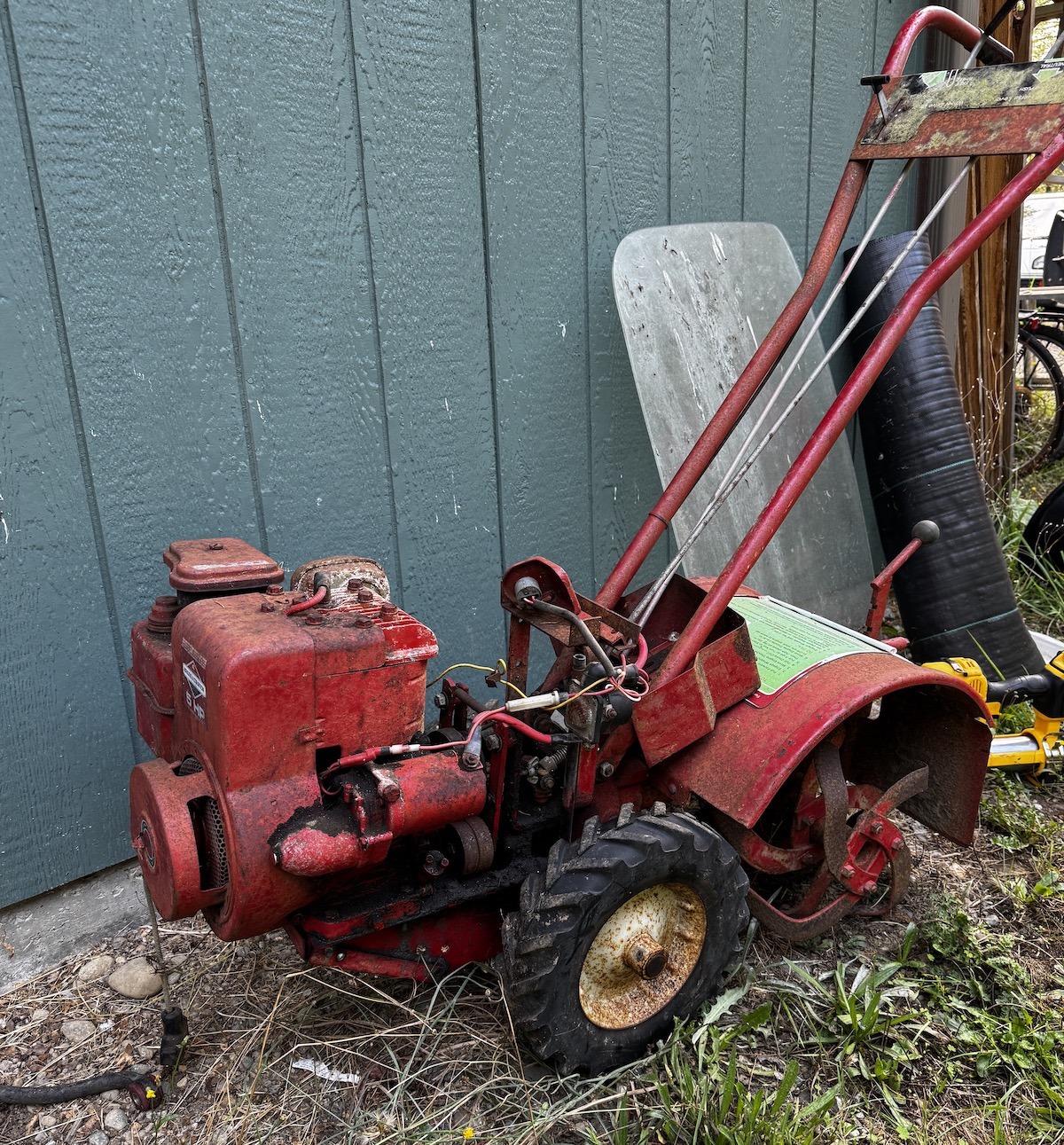
Recently, a friend was cleaning out a shed and I spotted a red Troy-Bilt rototiller that looked like it hadn’t been used in years. Mike said it had been at least 30 years, and he was just going to scrap it. I stepped in and had him help me load it into my truck.
This one was part personal (my grandpa had one), but mostly practical. They truly don’t build them like they used to. I needed a rototiller and a good, cheap fix-up project – a Fix Up Fleet-style project. I like buying secondhand when I can. I have the skills, tools and ability to fix most mechanical things—or at least give it a try. Plus, it was free.
Waste Not, Want Not
It probably grew out of necessity, my need to fix things. I grew up in a family without a lot of money but with a dad who fixed most anything. In the early 2000s, he bought an output shaft from the Sears catalog for his early 1980s lawn mower. He did it again when I broke it—again.
He passed away when I was 19. I was barely an adult, just trying to make it. I learned a lot keeping my 15-year-old Toyota Corolla on the road then, with many late-night repairs so I could make it to work. Today, fixing things has become a hobby, a business, and a passion for me—plus saved a ton of cash.
Satisfaction in the Fix: There’s a kind of satisfaction in taking something broken and bringing it back. Not just because it saves money, but because it feels like you’re taking back a bit of control. Every fix, big or small, builds on the last one. You start trusting your instincts more. You stop needing to ask, “Can this be fixed?” and just start figuring out how.
Learning Beats Efficiency: It’s not always efficient. Sometimes I’ll spend an afternoon rebuilding a $40 part because I’d rather understand it than replace it. But that’s part of the deal. You can’t buy experience, and you don’t get it by tossing things out. There’s value in the hours spent tinkering, scraping knuckles, and sorting out what went wrong. That’s how I learn.
Old Equipment Has Character: Old equipment has its own language. There’s a logic to the way it was built that modern stuff doesn’t always have. The metal’s thicker, the parts are rebuildable, and the design makes sense once you’ve taken it apart a few times. When something finally works again—after sitting for years, maybe—it earns a kind of respect. New things don’t get that.
Slowing Down the Pace: Fixing instead of replacing also keeps the noise down. I don’t need another app, another account, or another box showing up on the porch. I just need the part I have to do its job again. Repair slows life down to a pace that makes sense—one where time, tools, and patience matter more than convenience.
Build Your Toolkit: Repairing things requires you to build your toolkit—both knowledge and physical tools. Once you’ve built your basic toolkit, buying a tool here and there isn’t too expensive. You’ll use it again, loan it to friends, and have it in a pinch.
Freedom Through Repair: There’s also the money side. Repairs stretch every dollar, and that’s no small thing. But what matters more is the independence that comes with it. Knowing I can keep my own vehicles running, or rebuild a piece of equipment instead of hauling it off, means I don’t have to rely on anyone else’s schedule or pricing. That kind of freedom sticks with you.
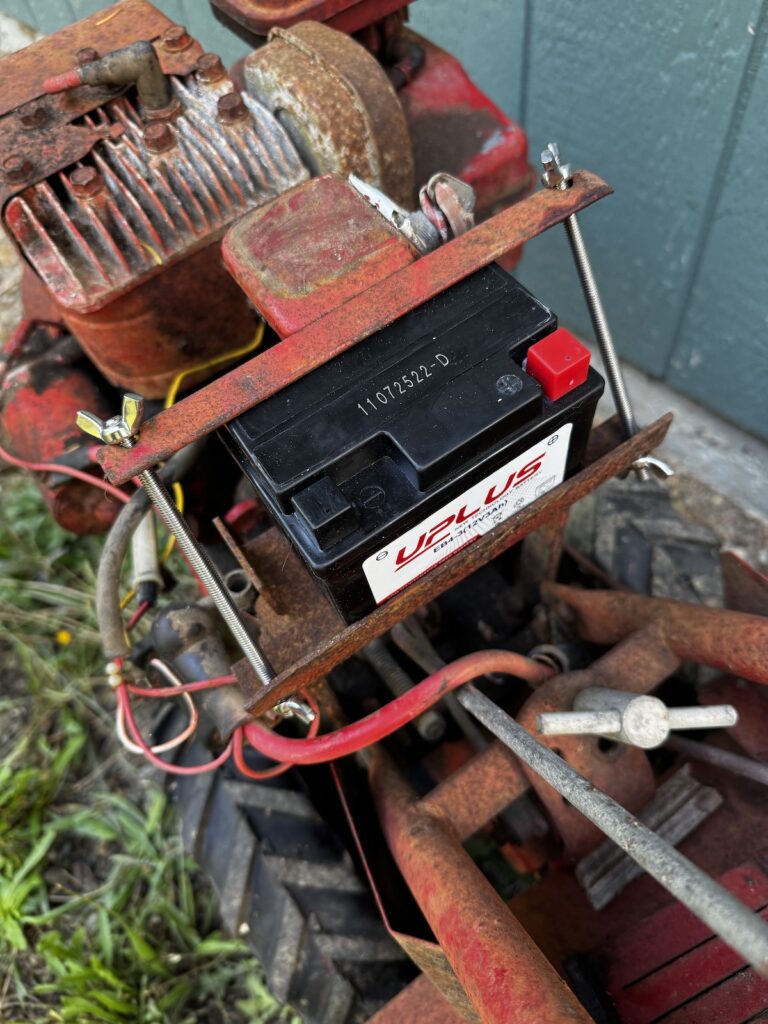
That old Troy-Bilt’s sitting in the shop now, half apart, waiting on a few parts. I started by mounting a new sealed battery with two pieces of threaded rod and four wing nuts. I’ll probably spend more time than it’s technically worth, but that’s never really the point. I want to hear it run again. There’s something about saving a good piece of equipment from the scrap pile that just feels right.
I guess fixing things has always been part necessity, part therapy. It’s how I think, plan, and stay steady. Some people unwind by going out; I unwind by pulling a carburetor apart or getting an engine to fire after years of silence. I find satisfaction in making something better for less than a tank of gas. It’s the kind of work that pays back over and over—once when it runs, again when you realize you did it yourself, and again every time you use it.
Most people see an old tiller, mower, or truck and see a hassle. I see potential. Every repair is a small win against waste, against overcomplication, and against the idea that “new” automatically means “better.”
I don’t fix things just to save money, though it does. I fix them because I like the process, the problem-solving, and the satisfaction that comes when something old earns another season. That’s why I fix things instead of replacing them—because making something work again will always mean more than just buying something that does.

I’m a lifelong DIYer keeping a fleet of cars and trucks on the road — from Subarus to a ’69 MGB GT to a dump truck. Fix Up Fleet is about budget-minded fixes, practical advice, and having fun with every rig in the garage. Buy it, fix it, drive it, repeat.